Machine economy
12 articles
 Payments for machines
Settlement for AI work
Agents now buy model calls from machines run by many independent operators, often many times a second. That demand needs a layer between buyer and operator that routes each call, settles it, and records what was bought. This is the case for that layer, and what Tenzro does in it.
7 min read Payments for machines
Payment rails for machines
Invoices and cards assume a person, a merchant and an amount large enough to carry a fixed cost. Machines buying AI work need per-call settlement, payment channels for high-frequency calls and delegated spending under limits. How those rails work on Tenzro, and how they sit alongside x402 and AP2.
5 min read Enterprise AI
A Corporate AI Strategy for 2026: From Pilots to Production
Most enterprises use AI; few run it at scale. A practical framework for moving from pilots to production, with a clear answer to the question pilots skip: where the inference capacity comes from.
5 min read Simulation
 and Digital Twins at Scale, Across Many Machines
Digital twins and robot-learning pipelines run thousands of simulations. Most of that work splits cleanly across many machines. How to decompose it, where it should run, and how to trust results computed on hardware you do not own.
4 min read Hardware identity
Devices that join a network at first boot, with hardware identity
For hardware manufacturers, the identity a device carries out of the factory decides what it can do in the field. This article covers which identifiers can anchor a machine and which cannot, why keys belong sealed to the hardware, and how devices can join an open AI network from the first time they power on.
6 min read Machine economy
The machine economy: agents, robots and devices as buyers
Software agents, robots and devices are starting to buy and sell AI work themselves. This briefing for decision makers covers what changed in 2025 and 2026, what a machine needs in order to transact safely, and the infrastructure questions to ask before letting machines spend.
5 min read Machine economy
Machines That Pay Machines: Accounting for Autonomous AI Work
When agents buy inference, data and compute from other machines, the hard parts are accounting, receipts, limits and settlement, not the payment rail. How Tenzro records each payment once, binds it to what was asked and delivered, and settles in the rails people already use.
5 min read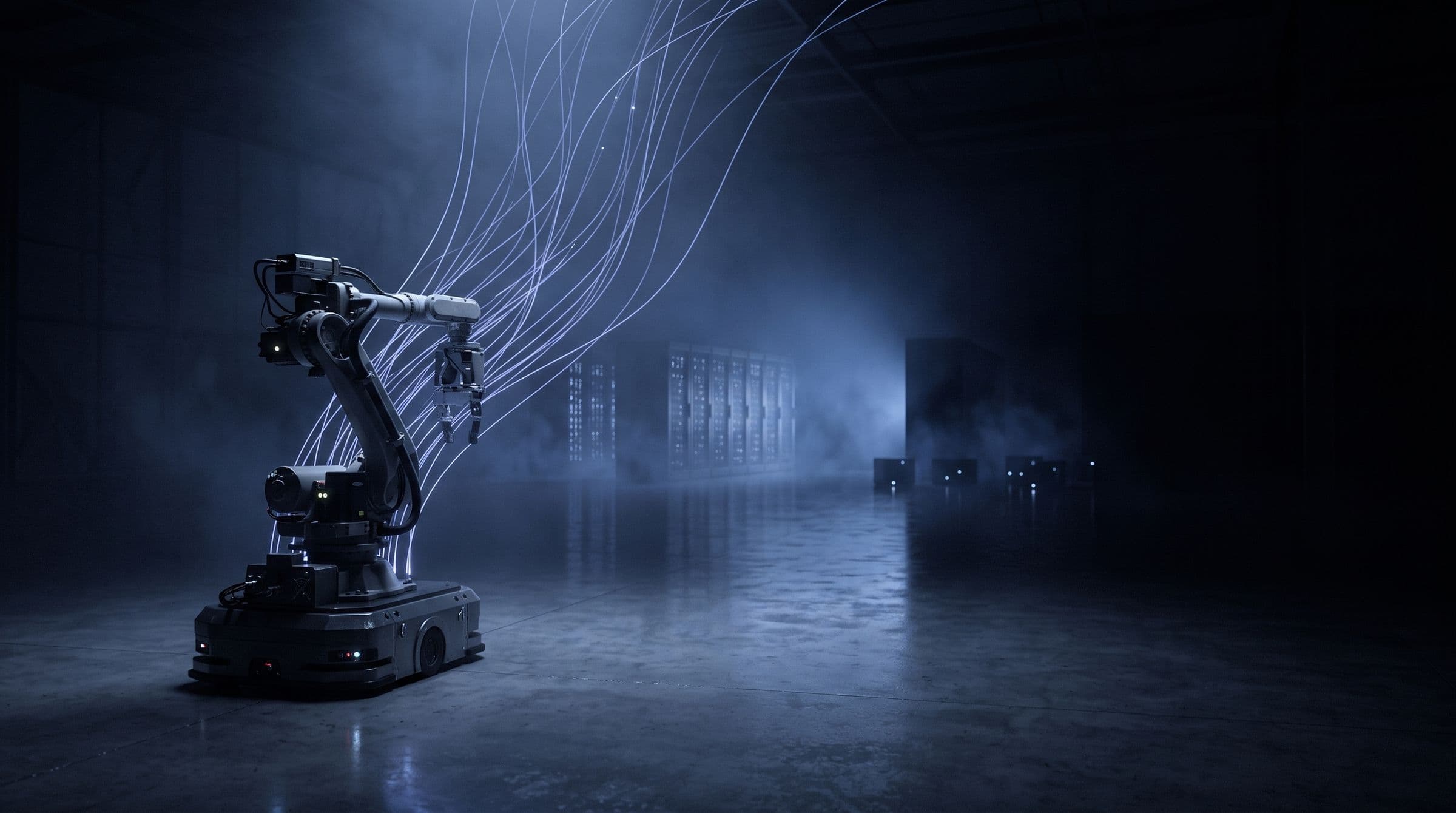 Physical AI
: Robots That Buy Compute and Sell Their Work
Robots and field devices increasingly need inference they cannot run on board, and produce data and work others will pay for. What it takes for a machine to transact safely: identity, budgets, placement and verifiable evidence.
5 min read Enterprise AI
Total Cost of AI Ownership: What Inference Really Costs
Token prices are the visible part of an AI bill. A cost model for enterprise inference that includes the harness around the model, utilisation risk and supplier lock-in, and seven levers that reduce it.
5 min read Machine economy
Six upgrades to Tenzro Network
Tenzro Network starts again from a fresh genesis with six upgrades: post-quantum DAG consensus, keys held in hardware, trust and provenance, metered settlement, inference for any model and an RPC that is closed by default.
5 min read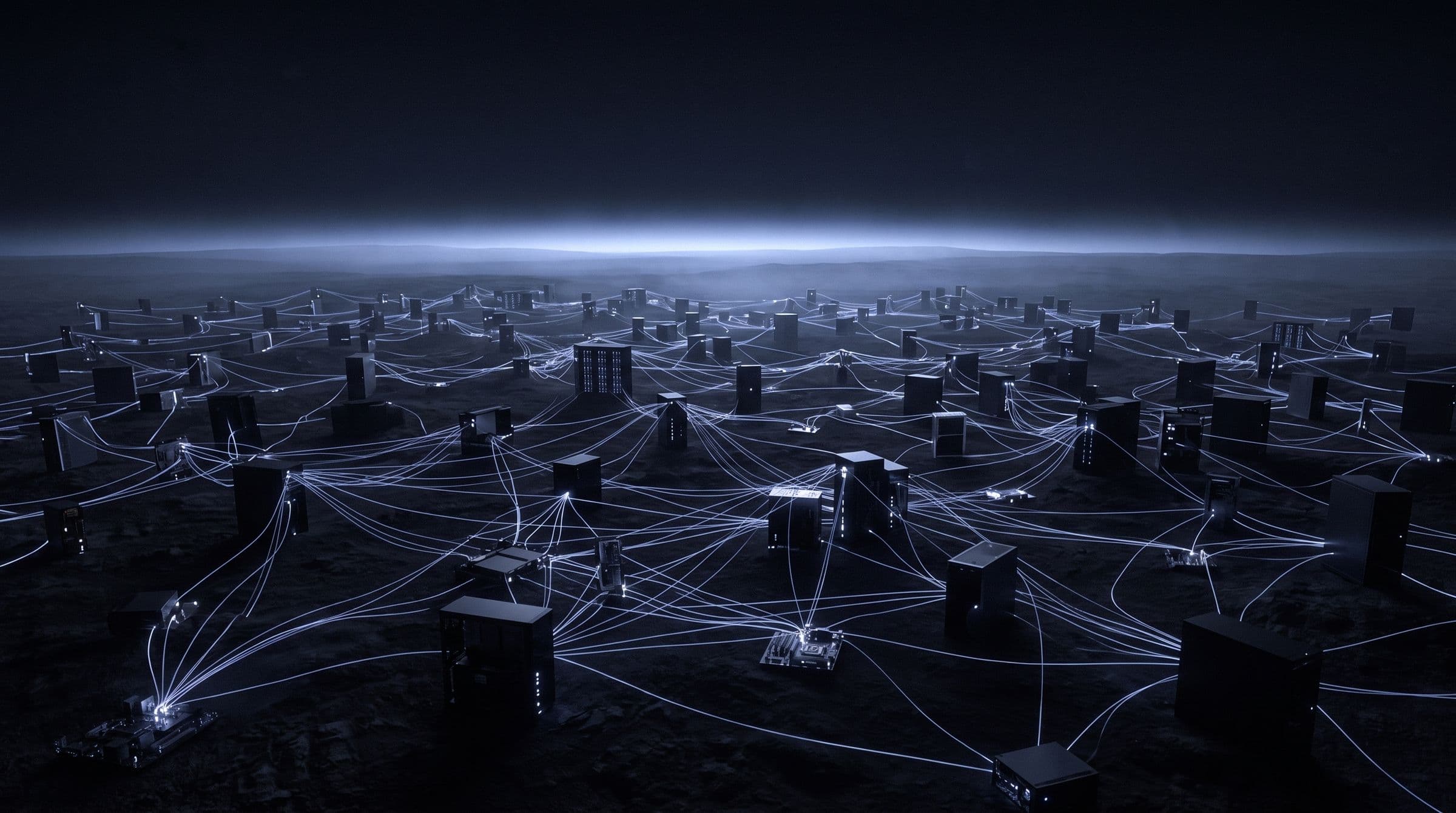 Machine economy
Introducing Tenzro Network
Why we are building an open network for the Machine Economy, where humans, agents and machines buy, sell and settle computing work.
2 min read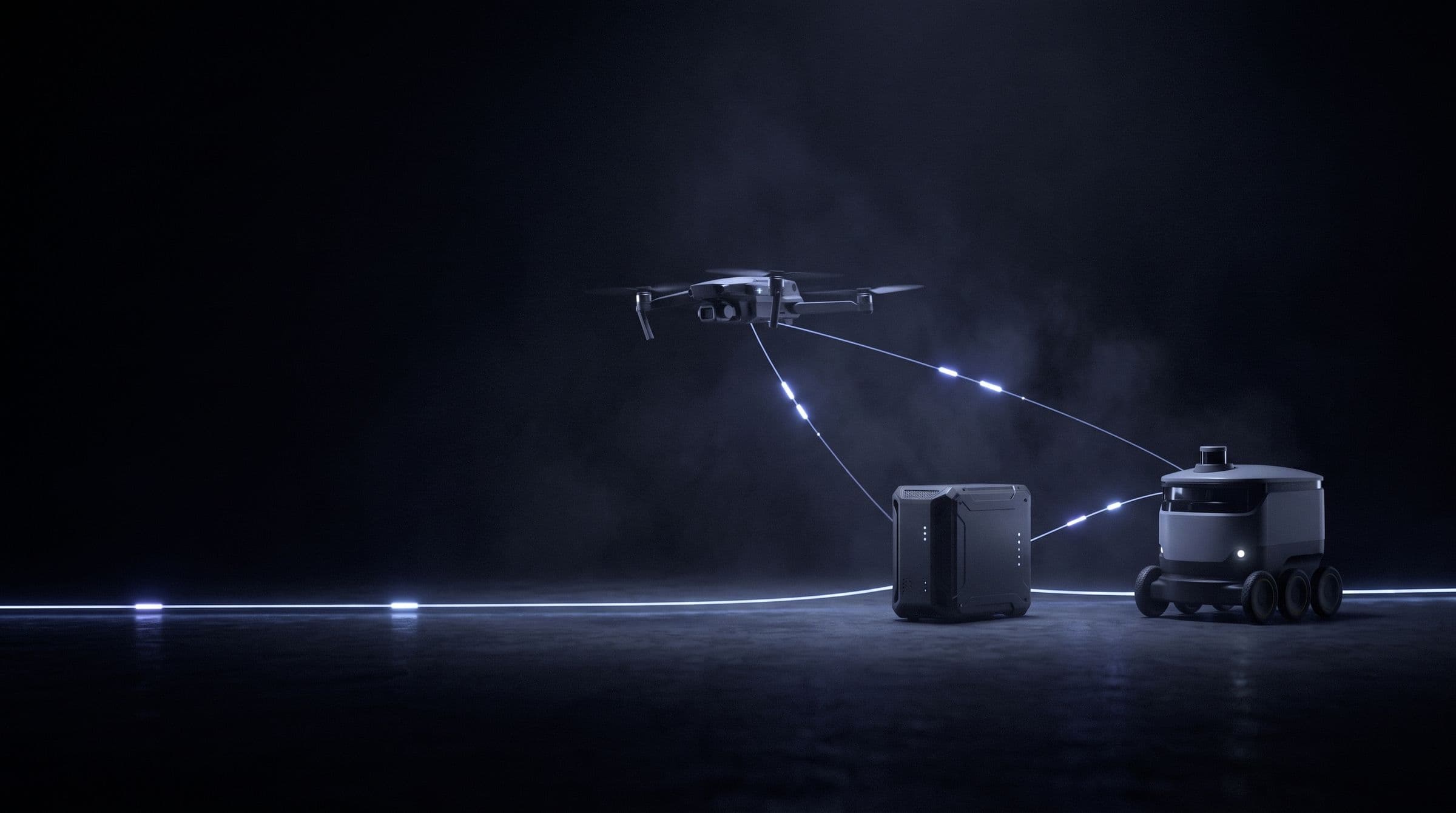 Payments for machines
Payments for AI agents: open rails, one network
x402, MPP, AP2, ACP and stablecoin wallets: why agents should not have to know which rail their counterparty accepts, and how Tenzro settles them all.
2 min read