Global
48 articles
 Payments for machines
Settlement for AI work
Agents now buy model calls from machines run by many independent operators, often many times a second. That demand needs a layer between buyer and operator that routes each call, settles it, and records what was bought. This is the case for that layer, and what Tenzro does in it.
7 min read Payments for machines
What a receipt for AI work proves
Agent payment schemes prove that a payment was made and that someone consented to it. Inference receipts prove that a machine produced an answer. Neither alone proves that the money matched the work. What each kind of evidence covers, where the gap is, and how Tenzro binds the two.
6 min read Model routing
Settling one job across many operators
A single agent task can touch several independent operators: a primary that stalls, a hedge that answers, a successor that takes over a session, expert shards held on different machines. How Tenzro routes that work, settles each operator for its own part, and what the buyer, each operator and an auditor can see.
6 min read Payments for machines
Payment rails for machines
Invoices and cards assume a person, a merchant and an amount large enough to carry a fixed cost. Machines buying AI work need per-call settlement, payment channels for high-frequency calls and delegated spending under limits. How those rails work on Tenzro, and how they sit alongside x402 and AP2.
5 min read Payments for machines
Spending limits and revocation for agents
When software spends money, someone has to answer for it. That takes a responsible party behind every agent, limits the agent cannot raise itself, and a revocation that stops payment on every rail at once. How each of those works on Tenzro, and why each has to be enforced outside the agent.
5 min read Payments for machines
For operators: paid for AI work you did not have to sell
Operators already run the machines AI needs. The hard part is the demand: finding buyers, pricing small units of work, and being sure of getting paid by software rather than a signed customer. How demand reaches an operator's capacity through Tenzro, and how per-call settlement and signed receipts reduce counterparty risk.
6 min read Sovereign AI
 is a placement problem
Sovereign AI is often discussed as a question of who owns the data centre. In practice it comes down to three engineering questions: where each request runs, who controls the keys, and what can be proven afterwards. Each one can be answered in the infrastructure itself.
5 min read Enterprise AI
A Corporate AI Strategy for 2026: From Pilots to Production
Most enterprises use AI; few run it at scale. A practical framework for moving from pilots to production, with a clear answer to the question pilots skip: where the inference capacity comes from.
5 min read Consensus
Inside Tenzro's Consensus: DAG-Based BFT for a Network of Machines
How Tenzro orders transactions with a DAG protocol, makes finality portable with hardware-signed checkpoint certificates, hands over between committees at epoch boundaries, and checks the code against a formal model step by step.
6 min read Model routing
Build, rent or network? Sourcing AI inference in 2026
CTOs now have three ways to source AI inference: build on their own hardware, rent from a cloud or model API, or buy from an open network of independent providers. This guide compares them on the criteria that decide the outcome: demand shape, model choice, jurisdiction, verification and exit.
5 min read Enterprise AI
Agentic AI in the Enterprise: Delegation You Can Audit
When agents call tools and spend money, governance has to move from policy documents into the systems that authorise each action. A delegation model, a control checklist and the records an auditor will ask for.
5 min read Edge AI
Agentic Harnesses on Small Devices: Orchestrating From the Edge
Most of an agent's work is orchestration, not large-model inference. Why the harness belongs on small hardware near the data, what runs on a Tenzro edge node today, and what edge harness hosting will add once it ships.
5 min read Security
Securing the AI Model Supply Chain, From Weights to Serving
A model file is executable risk: it can carry code, be swapped in transit or be served by a machine that is not what it claims. A layered control set for model provenance, safe formats, signed releases and attested serving.
5 min read Healthcare
AI in Healthcare: When the Data Cannot Move, Move the Model
Clinical and research data is among the most regulated anywhere. Three patterns that bring AI to health data without moving it (local serving, confidential computing and federated training) and the evidence each one should produce.
4 min read Manufacturing
AI on the Factory Floor: Edge Inference and Machine Identity
Factories need AI that keeps running when the internet does not, on machines that can prove what they are. How to place inference on the shop floor, anchor every device in hardware, and meet the security regimes now arriving for industrial products.
4 min read Consensus
Breaking Our Own Network: Chaos Testing a BFT Consensus
How we partition, restart and skew a private Tenzro network on purpose, what we check while it happens, and the class of catch-up bug that taught us to measure progress by what a node actually executed.
6 min read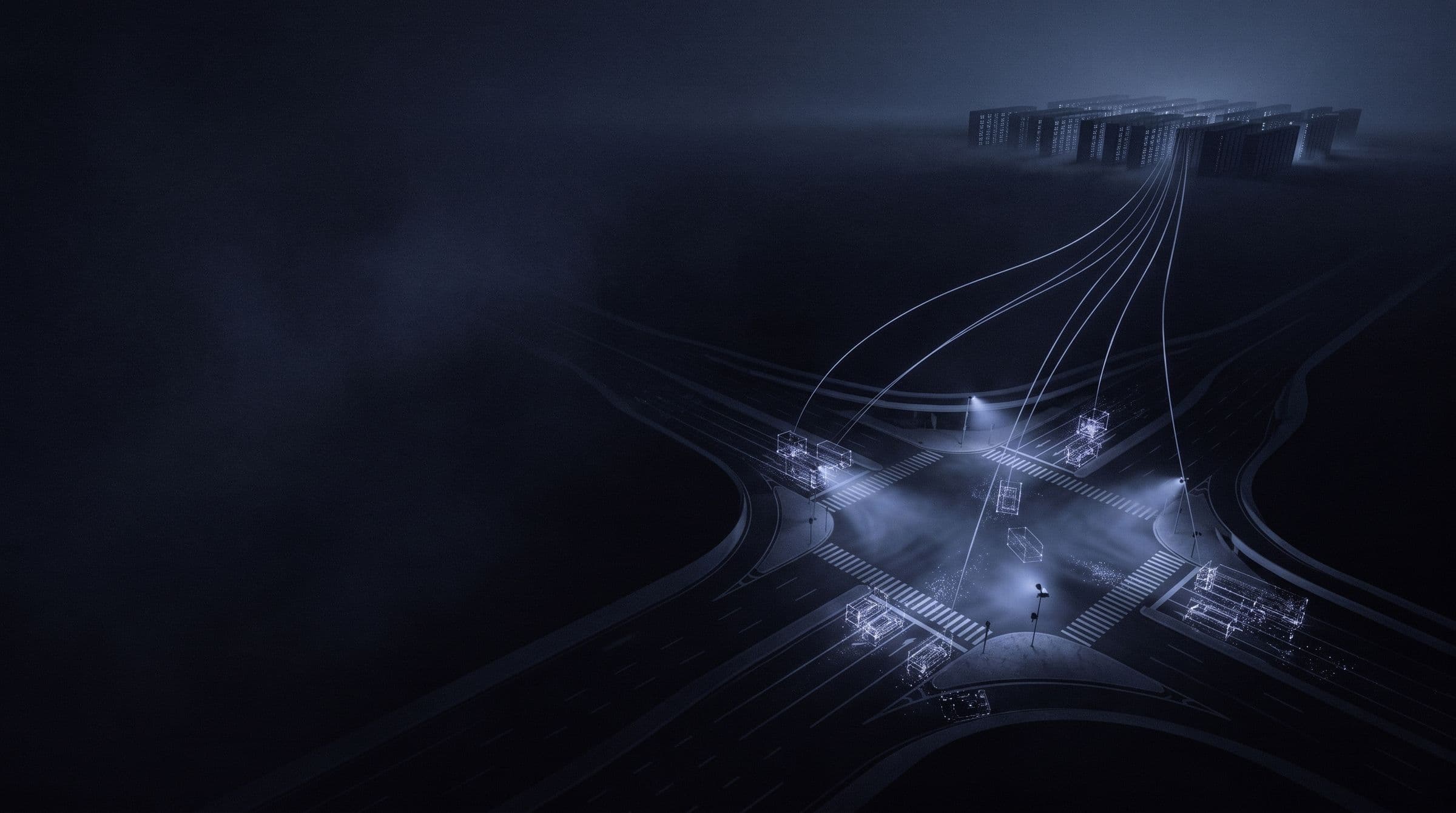 Computer vision
Computer Vision at the Edge: Infer Locally, Escalate Rarely
Cameras produce far more pixels than anyone should ship to a data centre. A tiered architecture for vision AI: small detectors at the camera or gateway, larger models only for the frames that need them, and privacy built into the split.
4 min read Confidential computing
Confidential Computing for Regulated AI: What Attestation Proves
TEE sessions and remote attestation let a regulated workload run on someone else's hardware with evidence of what code ran. What a report actually proves, what it cannot, and how Tenzro verifies, binds and routes confidential work.
5 min read Safety
Designing Safe Harnesses: Scopes, Limits, Expiry and Revocation
Prompt injection will sometimes succeed, so an agent's safety has to live outside the model. How Tenzro bounds every delegated agent with consensus-enforced scopes, spending limits, expiry, step-up approval and revocation, with an accountable root behind each one.
5 min read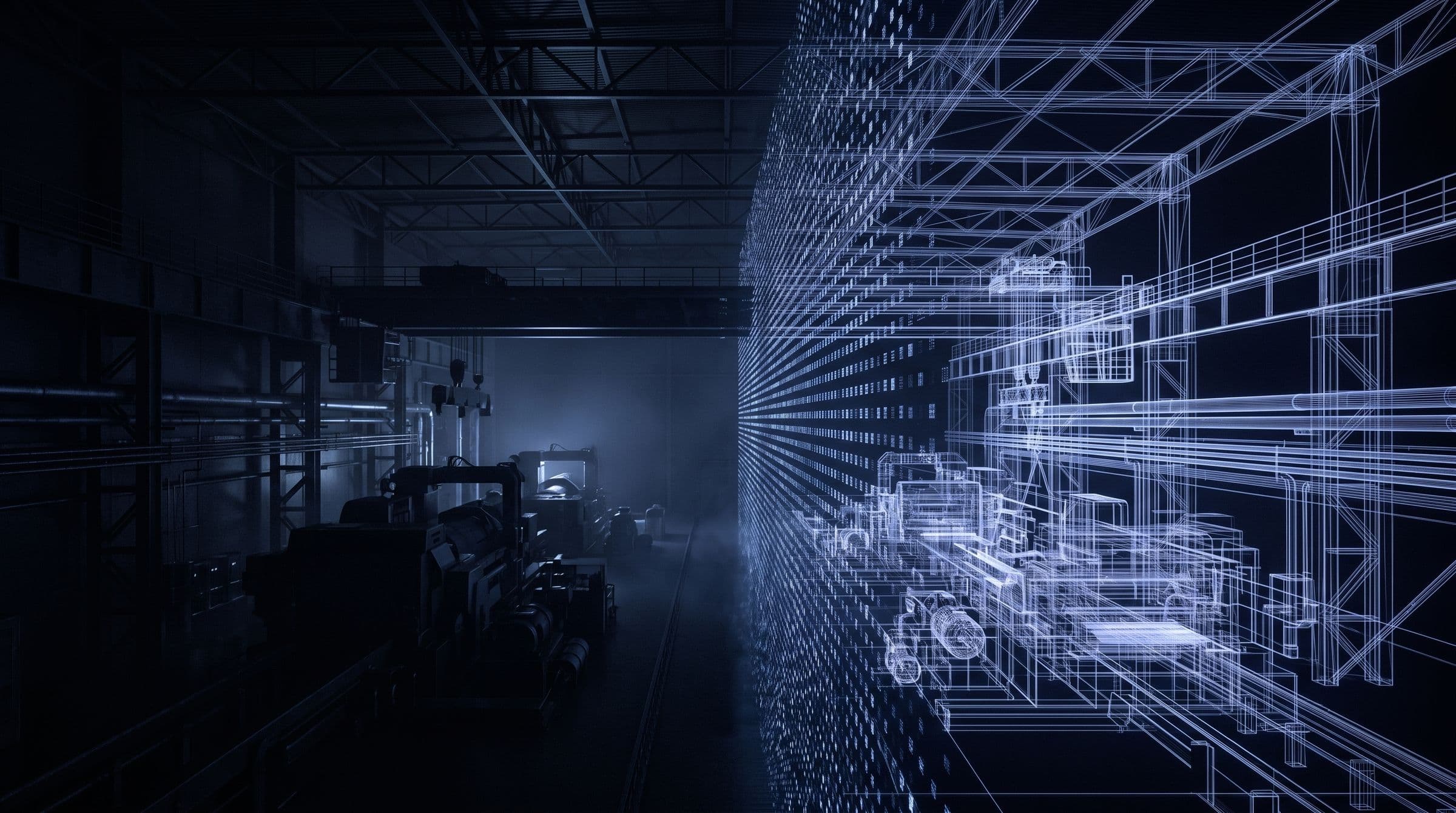 Simulation
 and Digital Twins at Scale, Across Many Machines
Digital twins and robot-learning pipelines run thousands of simulations. Most of that work splits cleanly across many machines. How to decompose it, where it should run, and how to trust results computed on hardware you do not own.
4 min read Distributed training
Distributed Training Across Clusters: What Works Over the WAN Today
Low-communication training has moved from paper to practice, with models trained across continents and among peers who come and go. What the research shows, what still binds, and where an open network of verifiable machines helps.
4 min read Distributed computing
From idle capacity to served inference: what operators need
Inference demand rises and falls through the day, so most AI capacity has spare hours. This article covers the five things a data-centre operator needs to sell those hours on an open network: machine identity, a trusted model supply, metering, proof of availability and direct settlement.
5 min read Generative media
Generative Media Pipelines: Right Hardware, Pay Per Result
Image, video and audio generation have cost profiles unlike chat. How to route each job to hardware that fits it, meter it in units that match the work, check licence territory and mark outputs for provenance.
5 min read Distributed computing
GPU operators: sell compute on verifiable service levels
Conventional cloud SLAs are measured by the provider, and the customer has to claim any credit. On an open market of independent GPU operators, availability and output have to be verified by someone else, and payment has to follow the verification. This article explains how that works and what it changes for operators.
6 min read Hardware identity
Devices that join a network at first boot, with hardware identity
For hardware manufacturers, the identity a device carries out of the factory decides what it can do in the field. This article covers which identifiers can anchor a machine and which cannot, why keys belong sealed to the hardware, and how devices can join an open AI network from the first time they power on.
6 min read Hardware identity
Hardware-Rooted Identity for Machines: TPMs, Enclaves and Passkeys
A key file can be copied, and a copied key is a second machine nobody knows about. Why Tenzro derives every machine and person's identity from keys that never leave hardware, and how that works on servers, laptops and boards without a TPM.
5 min read Inference optimization
Inference Optimisation From Consumer GPUs to the Data Centre
Quantisation, speculative decoding, continuous batching, paged and reused KV cache, and prefill/decode disaggregation: what the 2025-2026 work shows, and what each technique means when the GPUs belong to many operators on a wide-area network.
6 min read Machine economy
The machine economy: agents, robots and devices as buyers
Software agents, robots and devices are starting to buy and sell AI work themselves. This briefing for decision makers covers what changed in 2025 and 2026, what a machine needs in order to transact safely, and the infrastructure questions to ask before letting machines spend.
5 min read Machine economy
Machines That Pay Machines: Accounting for Autonomous AI Work
When agents buy inference, data and compute from other machines, the hard parts are accounting, receipts, limits and settlement, not the payment rail. How Tenzro records each payment once, binds it to what was asked and delivered, and settles in the rails people already use.
5 min read Model routing
Model Ladders: Answer With Small Models, Escalate Only When Needed
Most requests do not need the largest model. What the research on cascades and routing actually shows, where it falls short, and how Tenzro routes by measured difficulty and closes the loop on escalation.
5 min read Networking
Multi-region AI: latency, jurisdiction and failover
Running AI across the EU, US and APAC forces trade-offs between distance, law and resilience. This article uses measured inter-region latencies to show what each region pair costs, how jurisdiction rules constrain failover, and how to design inference that stays fast, lawful and available when a provider fails.
5 min read Networking
 for Distributed Inference: Gossip, Re-announcement and Load
A network of machines behind home routers, carrier NAT and corporate proxies still has to deliver every transaction and every heartbeat. How Tenzro's transport, gossip budgets and re-announcement keep messages from getting lost under load.
5 min read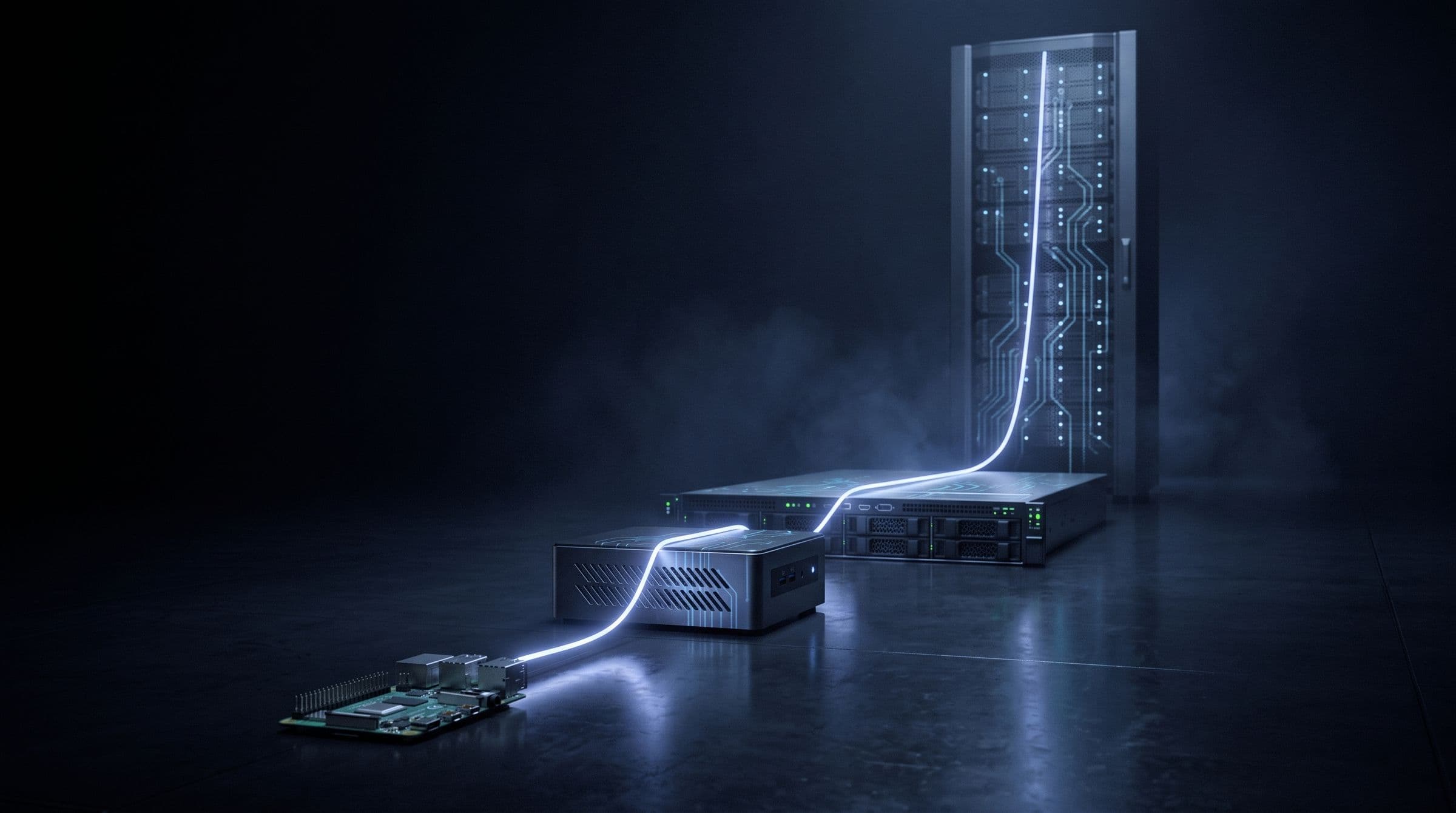 Edge AI
One Codebase From a Single-Board Computer to a Rack
Tenzro builds one node for every class of machine, from a Raspberry Pi to a GPU server, by varying compiled features and resource presets rather than forking the code. How the tiers work, what we measured, and why small devices belong in an AI network.
5 min read Open models
 need open infrastructure: provenance and licences
Once open weights are released, the builder loses sight of how they are served. This article covers what model builders should expect from the infrastructure that serves their work: proof of which weights ran, licence terms enforced in the serving path, gated access that holds, and attribution that reaches the user.
5 min read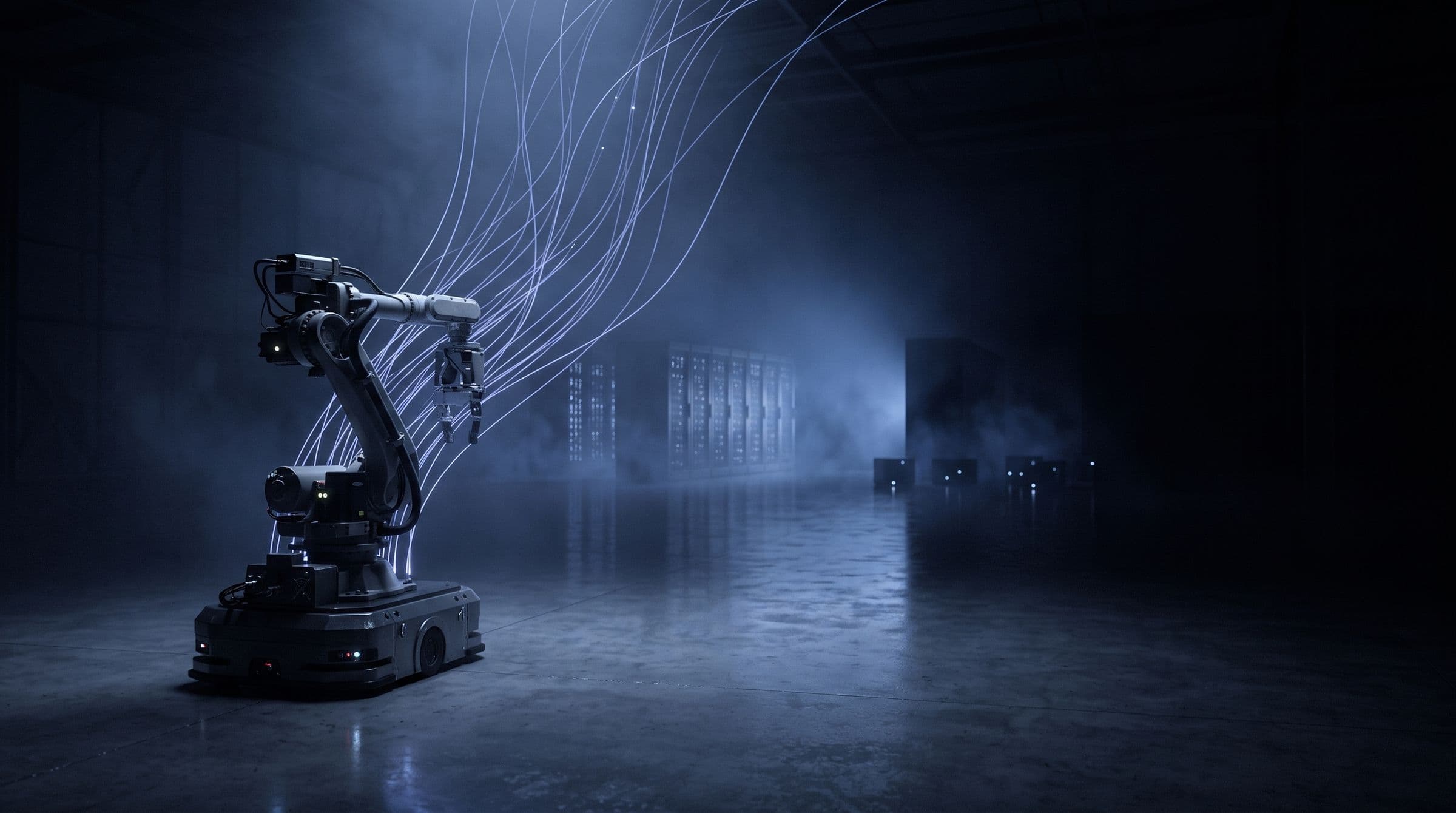 Physical AI
: Robots That Buy Compute and Sell Their Work
Robots and field devices increasingly need inference they cannot run on board, and produce data and work others will pay for. What it takes for a machine to transact safely: identity, budgets, placement and verifiable evidence.
5 min read Security
Preparing AI Infrastructure for Post-Quantum Cryptography
NIST's ML-KEM, ML-DSA and SLH-DSA standards are final, the IETF has standardised hybrid key exchange for TLS, and the US and EU have set dates. A practical migration plan for AI infrastructure, and how Tenzro applies hybrid post-quantum keys today.
5 min read Public sector
Public Sector AI: Buying Capability Without Buying Lock-In
Governments in the US, UK and EU now tell agencies to avoid AI vendor lock-in, protect government data from commercial training and assess impacts before deployment. A procurement checklist that turns those policies into contract terms and architecture.
4 min read Retrieval
 at the Source: Embeddings and Search Near the Data
Retrieval pipelines copy an organisation's documents into embeddings, indexes and caches, often far from where the data lives. Why embeddings are sensitive data, how to size them, and an architecture that keeps retrieval close to the source.
4 min read Model routing
Routing Across Many Providers, and Why Receipts Must Be Verifiable
A model router chooses on price, latency and standing, hedges the slow tail and fails over in seconds. None of that is trustworthy unless each answer comes with a receipt a third party can check. How Tenzro does both.
5 min read Enterprise AI
Total Cost of AI Ownership: What Inference Really Costs
Token prices are the visible part of an AI bill. A cost model for enterprise inference that includes the harness around the model, utilisation risk and supplier lock-in, and seven levers that reduce it.
5 min read AI factories
Utilisation decides AI factory economics
An AI factory's accelerators cost the same whether they are busy or idle, so served work per installed accelerator is the number that matters. This article covers where utilisation is lost, and how matching demand across many operators recovers some of it.
5 min read Voice AI
 Latency Budgets: Serve Speech Close to the Speaker
People expect a reply within a few hundred milliseconds. A latency budget for voice agents, where each millisecond goes, and why speech recognition and synthesis belong near the user while the language model can sit further away.
4 min read Machine economy
Six upgrades to Tenzro Network
Tenzro Network starts again from a fresh genesis with six upgrades: post-quantum DAG consensus, keys held in hardware, trust and provenance, metered settlement, inference for any model and an RPC that is closed by default.
5 min read Machine economy
Introducing Tenzro Network
Why we are building an open network for the Machine Economy, where humans, agents and machines buy, sell and settle computing work.
2 min read Hardware identity
TDIP: one identity protocol for humans and machines
Humans, delegated agents and autonomous agents under one W3C DID method, with keys rooted in passkeys and device hardware. Why agents need an identity of their own.
2 min read Distributed computing
Multi-VM runtime: EVM and SVM on one ledger
How the Tenzro ledger runs the EVM and the SVM on one state, alongside native transactions, with one native TNZO balance and Block-STM parallel execution.
2 min read Confidential computing
TEE security: verified attestation across vendors
Intel TDX, AMD SEV-SNP, AWS Nitro and NVIDIA confidential GPUs, each attestation verified to its vendor root. Attestation is evidence; keys stay in their owners' hardware.
2 min read Payments for machines
Payments for AI agents: open rails, one network
x402, MPP, AP2, ACP and stablecoin wallets: why agents should not have to know which rail their counterparty accepts, and how Tenzro settles them all.
2 min read